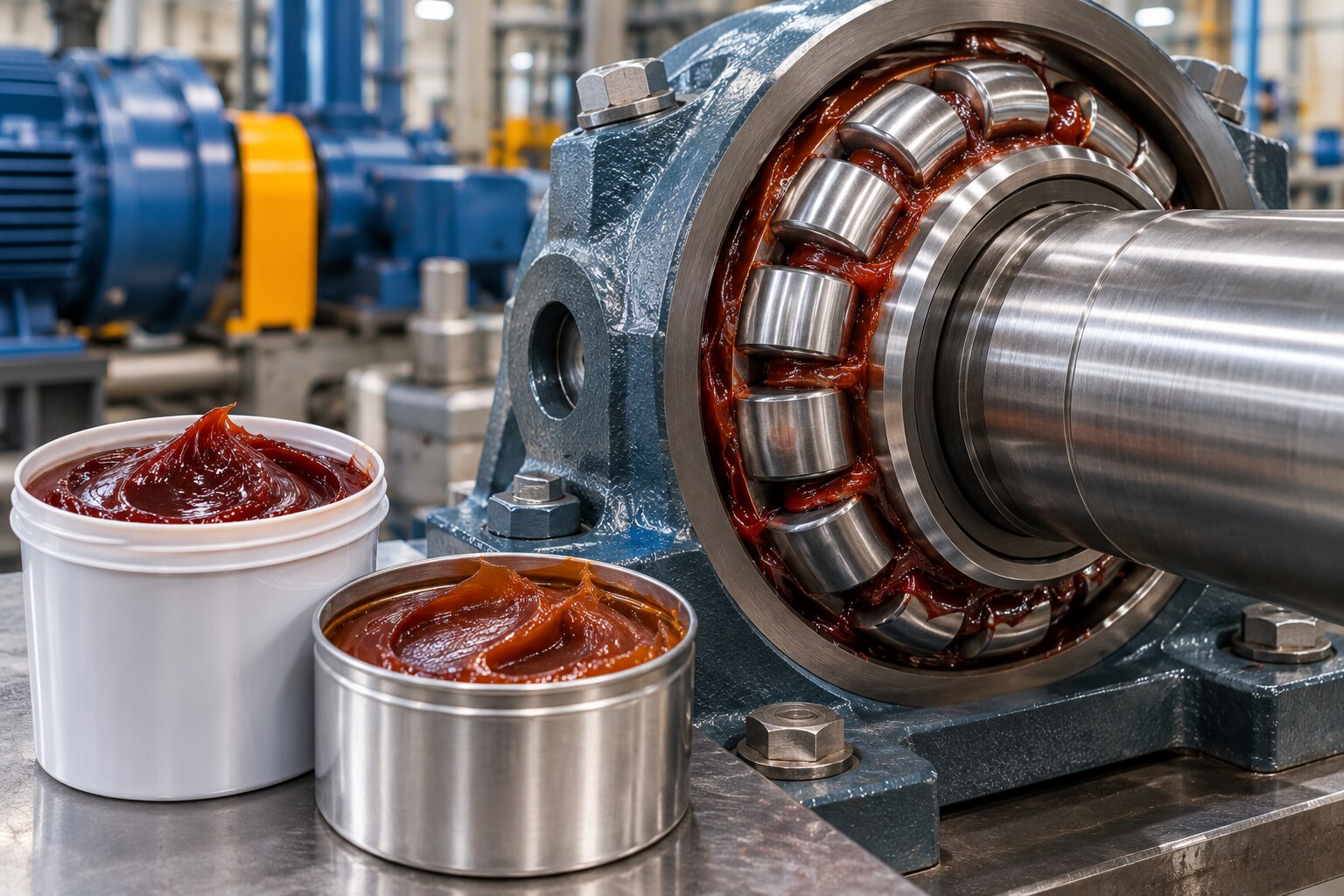
NLGI 2 is not automatically stronger than NLGI 1: the number describes consistency, while load performance depends on the grease formulation, bearing speed, temperature, and duty. By checking the product data and the bearing manufacturer’s instructions, you can choose the grade that carries the load without causing pumpability problems or excess heat.
Key takeaways
- NLGI 1 is softer; NLGI 2 is firmer, not automatically stronger.
- Use ASTM D2266, ASTM D2596, temperature, and load data to compare greases.
- Match grease consistency to bearing speed, temperature, sealing, and relubrication method.
- Confirm the bearing manual before mixing grease with an existing lubricant.
What the LNEP 1 and LNEP 2 numbers actually mean
NLGI 2 does not automatically carry more load than NLGI 1. The number describes consistency, or stiffness, measured by worked penetration under ASTM D217: NLGI 1 is softer at 310–340, while NLGI 2 is firmer at 265–295. Neither figure proves extreme-pressure performance, bearing load capacity, temperature resistance, or lubricant quality.
| Grade | Consistency and practical effect | Common application clue |
|---|---|---|
| NLGI 1 | Softer; lower starting resistance and easier pumping through long, narrow, or cold lines | Centralized systems, cold starts, and some vertical or slow-moving applications |
| NLGI 2 | Firmer; better retention in many manually packed bearings and exposed positions | General-purpose bearing lubrication where the manufacturer specifies NLGI 2 |
A heavy-load bearing might need NLGI 1 for reliable delivery or NLGI 2 for retention, depending on speed, temperature, vibration, and lubrication method. Confirm load suitability separately through the technical data sheet: check base-oil viscosity, thickener type, operating-temperature range, water resistance, corrosion protection, and four-ball weld or load-wear results.
To verify what you are buying, inspect the pail, cartridge, and technical data sheet rather than relying on the product name or search phrase lnep 2 or lnep 1 grease in mumbai. Confirm:
- NLGI grade and worked-penetration result
- Batch number, manufacturing date, and shelf life
- Thickener type, base-oil viscosity, and temperature range
- Test methods and results
- Matching product name and formulation across the label and approved data sheet
A request for lnep 2 or lnep 1 grease in mumbai without these details can produce two products with the same marketing description but different performance.
Compare the grease data before calling it heavy-load grease
Do not approve LNEP 1 or LNEP 2 from the words “high load” alone. Compare the technical data sheet with the bearing duty, because NLGI grade identifies consistency, not load capacity.
| Figure | What to compare | Why it matters |
|---|---|---|
| Base-oil viscosity at 40 °C | The actual cSt value, not only “mineral” or “synthetic” | Higher viscosity can support slow, heavily loaded bearings but increases churning, heat, and starting torque |
| Worked penetration | LNEP 1: about 310–340; LNEP 2: about 265–295, tested under ASTM D217 | Shows consistency, pumpability, and whether the grease can reach the bearing |
| Four-ball weld load | Result and test method, such as ASTM D2596 | Indicates resistance to seizure under extreme pressure |
| Four-ball wear | Scar diameter and test method, such as ASTM D2266 | Shows wear protection under a defined load |
| Timken load-wear result | Load rating and test method, where supplied | Adds evidence for sliding or shock-loaded contact |
| Water resistance and corrosion | Water-washout result, corrosion rating, and test standards | Matters for wet conveyors, washdown, and rust-prone bearings |
| Dropping point and temperature range | Both figures; do not treat dropping point as the operating limit | Exposes temperature limits and thickener stability |
For a bearing grease for heavy loads in Mumbai, request the complete results using matching standards. A crusher, vibrating screen, or slow roller needs stronger evidence of shock and wear protection than a continuously rotating bearing with steady loading. Also check the manufacturer’s speed and temperature limits before choosing the higher-viscosity option.
Match consistency to speed, temperature, and bearing duty
Choose NLGI 1 when the grease must travel through a centralised lubrication line, start in cold conditions, or reach bearings through long, narrow pipes. Its softer consistency also suits many higher-speed applications, provided the bearing maker permits the grease and the product’s oil viscosity matches the duty.
| Grade | Practical advantage | Suitable duty |
|---|---|---|
| NLGI 1 | Easier pumping and lower resistance at startup | Centralised systems, cold starts, longer lines, faster bearings |
| NLGI 2 | Stays in place more effectively | Manual packing, moderate speeds, exposed or vertical-shaft bearings |
| Neither by itself | Does not prove load capacity | Heavy loads requiring verified EP, viscosity, temperature and wear data |
NLGI 2 is suitable for a manually greased bearing running at moderate speed where retention matters. It is not automatically the stronger choice for a heavy load, and forcing it through an undersized feed line can starve the bearing.
Separate the decisions. Select load performance from base-oil viscosity, four-ball weld or wear results, shock duty and the bearing manufacturer’s limits. Select consistency from speed, temperature, pumpability, sealing and grease-retention requirements. A slow crusher bearing and a fast electric-motor bearing can carry substantial loads yet need different greases.
Before responding to a search for “lnep high load grease in mumbai,” provide bearing type, speed, loads, temperature, vibration, water exposure and lubrication method. Then compare the NLGI grade with the technical data sheet, not the “high-load” wording.
Check the bearing manual and prevent grease incompatibility
The bearing manual, not the words “LNEP 1” or “LNEP 2”, determines the approved grease. Confirm the NLGI grade, thickener type, base-oil viscosity, operating-temperature range, relubrication quantity and interval, and any named performance standard before ordering.
Use this checklist:
- Record the existing grease from the maintenance log or cartridge label: lithium, calcium, polyurea, aluminium-complex, or unknown.
- Match the proposed grease against the manual’s approved specification, including NLGI grade and base-oil viscosity. Do not treat equal consistency as compatibility.
- Obtain the new product’s technical data sheet and compatibility statement. If the old grease is unknown, ask the bearing or grease manufacturer for written guidance.
- Do not mix lithium, calcium, polyurea, or aluminium-complex greases unless the manufacturer confirms compatibility for that exact pair.
- Check the changeover method for the bearing design: purgeable housing, sealed bearing, centralized system, or manually packed bearing.
Mixing incompatible thickeners can cause hardening, softening, oil separation, blocked feed lines, or loss of lubrication. If approved, remove as much old grease as practical, clean the housing and lines, and charge the specified quantity of new grease; never fill a sealed bearing through an unsuitable path.
Run the bearing at low speed, check temperature, noise, vibration, and leakage, then inspect again after the first operating interval. Stop if temperature rises or the grease separates. A full teardown and cleaning is safer when compatibility is unknown or contamination is severe.
What to request from a Mumbai industrial grease supplier
Give the supplier a written duty description, not only the words “LNEP 1” or “LNEP 2.” The same marketing name can cover formulations with different base oils, thickeners, temperature limits, and test results.
1. Provide the bearing maker, bearing type, bore or bearing number, shaft speed, radial load, axial load, operating temperature, start-up temperature, shock or vibration, water or dust exposure, and whether the duty is continuous, oscillating, or start-stop.
2. State how grease reaches the bearing: manual packing, grease gun, automatic lubricator, or centralised system. Include the existing grease’s brand, NLGI grade, thickener type, and the planned relubrication interval. This prevents a pumpability or incompatibility failure.
3. Request the current technical data sheet and safety data sheet. Check the stated NLGI grade, thickener, base-oil viscosity, operating-temperature range, worked penetration, dropping point, water resistance, corrosion result, four-ball weld load, four-ball wear result, and each test method.
4. Ask for the batch number, manufacturing date, shelf life, sealed-pack condition, and confirmation that the supplied pack matches the approved technical data sheet. Request test results under the same standards when comparing products.
An extreme pressure bearing grease supplier in Mumbai should explain whether “LNEP” identifies a manufacturer’s formulation rather than a universal performance class. M/S Gautam Bearing & Tools can be asked for this traceability before you approve either grade; a label that only says “high load” is not enough evidence for a heavily loaded bearing.
Related products
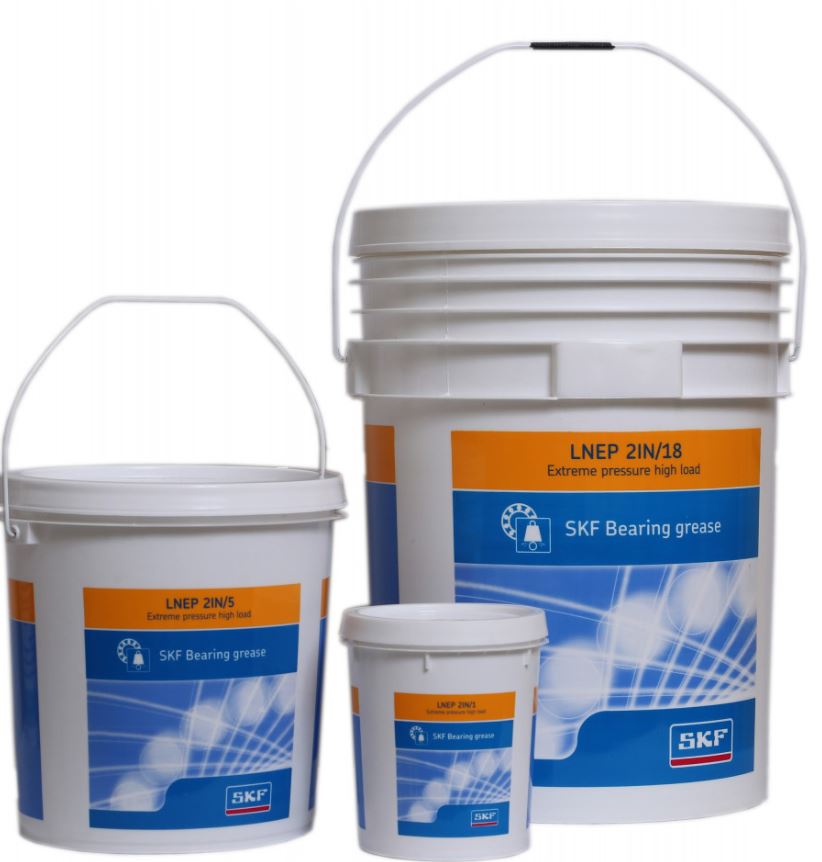 | Industrial Lubrications LNEP 2IN/1 (High Load Extreme Pressure Bearing Grease) LNEP 2IN/1 High Load Extreme Pressure Bearing Grease is a premium-quality lubricant specially formulated for bearings operating under heavy loads,... View product → |
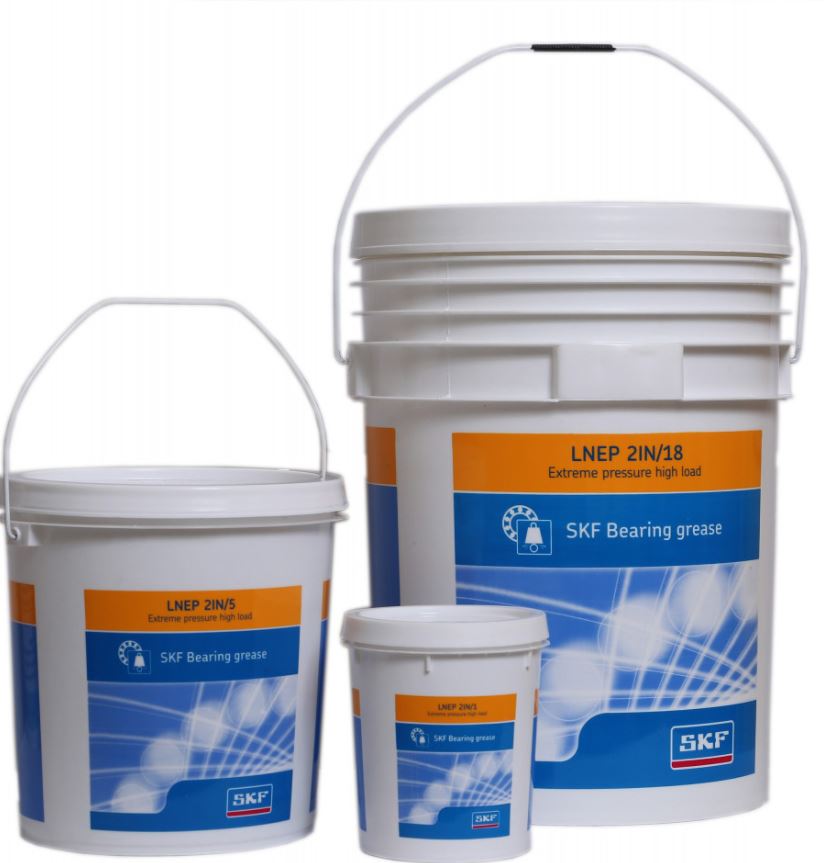 | Industrial Lubrications LNEP 2IN/5 (High Load Extreme Pressure Bearing Grease) LNEP 2IN/5 (High Load Extreme Pressure Bearing Grease) View product → |
Frequently asked questions
Does NLGI 2 grease carry heavier loads than NLGI 1 grease?
No. NLGI numbers describe consistency measured by worked penetration under ASTM D217. Load performance requires separate extreme-pressure, four-ball weld-load, wear, and bearing-test data.
What data should you compare before choosing heavy-load bearing grease?
Check the thickener type, base oil viscosity, operating temperature range, ASTM D2266 wear result, ASTM D2596 weld-load result, corrosion protection, water resistance, and manufacturer bearing test information.
When is NLGI 1 grease a better choice than NLGI 2?
Choose NLGI 1 when lower stiffness improves pumpability, cold-start flow, or delivery through long and narrow grease lines. Confirm that leakage control and the bearing manufacturer’s specification remain satisfied.
Can you mix LNEP 1 and LNEP 2 grease?
Do not mix them solely because both are labelled EP. Check thickener compatibility, base oil type, and the grease manufacturer’s compatibility statement; purge and clean the bearing when compatibility is unknown.
What should you request from a Mumbai industrial grease supplier?
Request the technical data sheet, safety data sheet, batch number, manufacturing date, NLGI grade, thickener and base oil details, ASTM test results, operating temperature range, and a sealed original container.
Keywords