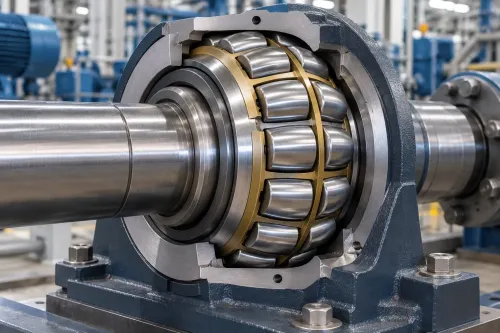
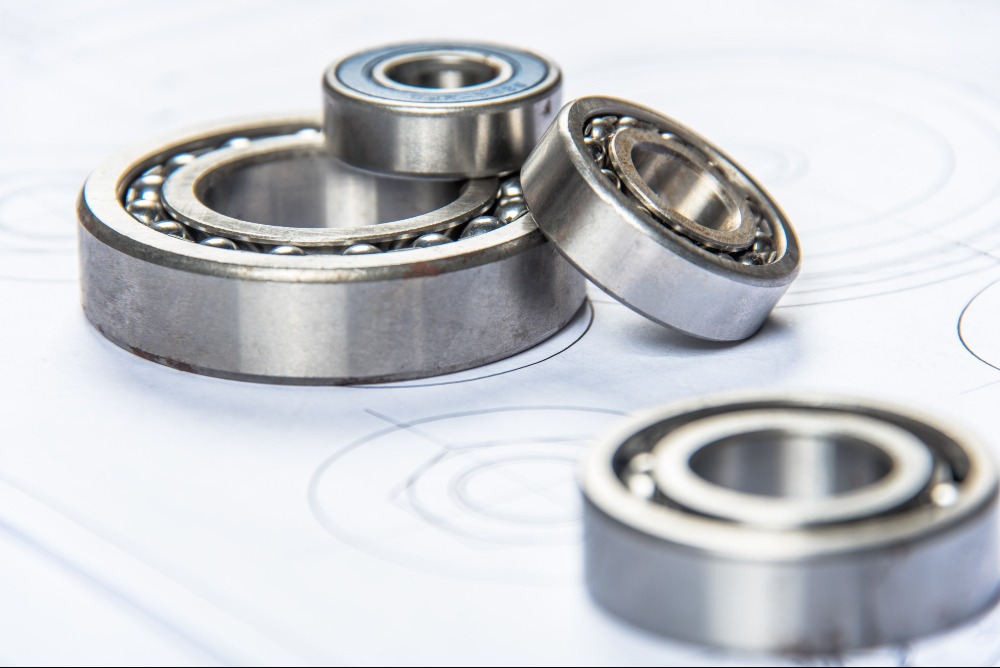
Bearing lubrication performs several important functions: it reduces friction, separates rolling surfaces, helps protect against wear and corrosion, and can assist in controlling contamination. Yet lubrication-related problems remain a frequent contributor to bearing performance issues.
Choosing Bearing Grease and Lubrication Products requires an understanding of bearing speed, load, temperature, environment, and relubrication requirements.
Grease Is Not a Universal Product
Industrial greases differ in base oil, thickener, consistency, additives, temperature capability, and application characteristics.
Two greases that look similar may behave very differently inside a bearing.
Before selecting a product, maintenance teams should review:
- Bearing type
- Operating speed
- Load
- Temperature
- Vibration
- Moisture exposure
- Dust or contamination
- Relubrication interval
- Existing lubricant
The equipment or bearing manufacturer's lubrication recommendations should be considered when available.
More Grease Is Not Always Better
Overgreasing is a common maintenance mistake.
Excess grease can increase churning resistance inside the bearing, which may raise operating temperature and create unnecessary energy loss.
Under-lubrication, on the other hand, may prevent adequate lubricant film formation.
The objective is therefore correct lubrication not maximum lubrication.
Grease Compatibility Matters
Maintenance teams sometimes add a new grease without checking what is already inside the bearing.
Different thickener systems and formulations may not always be compatible. Mixing incompatible products can alter consistency or lubrication performance.
When changing lubricant types, the appropriate transition or cleaning procedure should be established.
Relubrication Intervals Should Reflect Operating Conditions
A fixed calendar schedule is convenient but does not suit every bearing.
Relubrication frequency can be influenced by:
- Bearing size
- Rotational speed
- Temperature
- Operating hours
- Contamination
- Bearing orientation
- Vibration
- Grease type
Equipment operating continuously in a hot, dusty environment may require a different strategy from intermittently used machinery in cleaner conditions.
Keep Lubrication Clean
Even the correct grease can cause problems if contaminated during storage or application.
Good practices include keeping containers closed, using clean dispensing tools, clearly identifying grease guns, protecting fittings from contamination, and avoiding dirty application equipment.
Colour coding or labelling lubrication tools can help prevent accidental mixing within facilities using multiple grease types.
Lubrication as Part of Reliability Planning
For manufacturing and engineering companies in Mumbai, Maharashtra, lubrication management can be incorporated into preventive maintenance rather than treated as an occasional workshop activity.
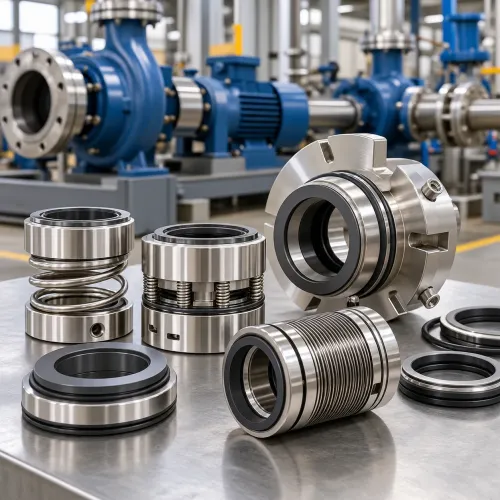
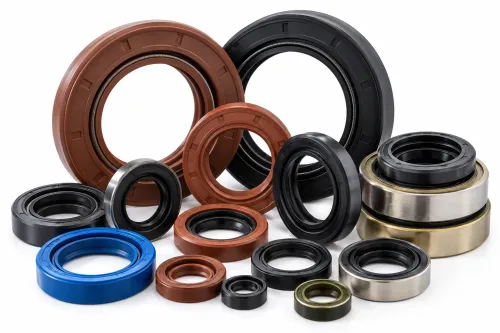
M/S Gautam Bearing & Tools supplies bearing greases, lubrication products, bearings, seals, and associated industrial components. Buyers can improve product selection by sharing the bearing application and actual operating conditions rather than requesting a general-purpose grease without technical context.
Effective lubrication management involves choosing a suitable product, applying the correct quantity, maintaining appropriate intervals, and preventing contamination. These practices can help bearings operate under the conditions for which they were selected while reducing avoidable maintenance caused by lubrication errors.
Keywords