Hydraulic leakage is rarely just a housekeeping problem. Loss of hydraulic fluid can reduce system efficiency, contaminate surrounding equipment, create maintenance demands, and indicate wear within cylinders or other hydraulic components.
When sourcing from a Hydraulic Seal Supplier in Mumbai, maintenance teams should identify why a seal failed before simply installing another seal of similar dimensions.
Different Seals Perform Different Jobs
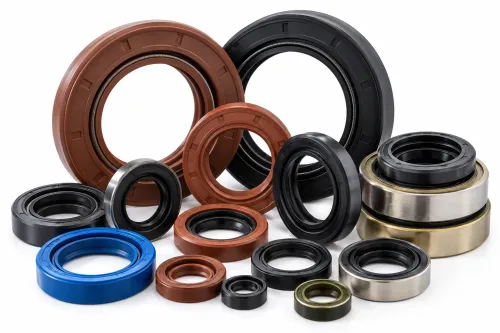
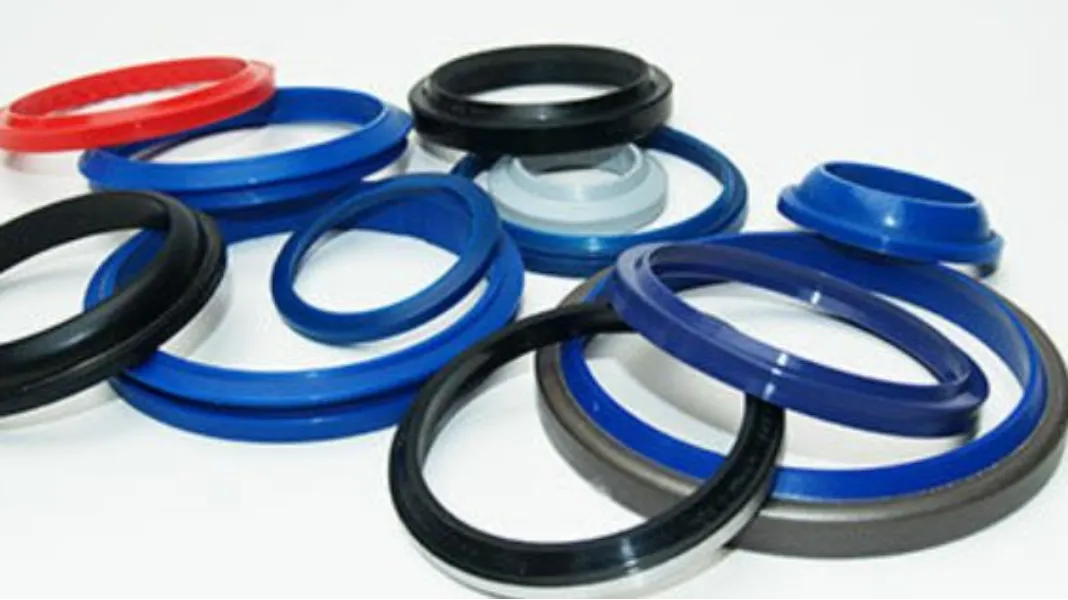
Hydraulic cylinders and assemblies may use several seal types, each serving a specific purpose.
These can include:
- Rod seals
- Piston seals
- Wiper seals
- Guide rings
- O-rings
- Static seals
- Backup rings
A rod seal helps control fluid leakage along the moving rod, while a wiper helps prevent external contaminants from entering the cylinder.
Using the wrong profile or material can compromise the complete sealing arrangement.
Why Hydraulic Seals Fail
Premature failure can result from numerous factors.
Excessive temperature
High temperatures can alter material properties, accelerate degradation, and affect sealing performance.
Contamination
Dust, metal particles, and other contaminants can damage seal lips and sliding surfaces.
Incorrect installation
Sharp edges, twisted seals, inappropriate tools, or insufficient installation lubrication can damage a seal before operation begins.
Damaged rods or cylinders
A new seal cannot compensate indefinitely for scratched rods, worn surfaces, excessive clearances, or damaged grooves.
Pressure problems
Pressure spikes or conditions beyond the seal's design capability can cause extrusion or other forms of failure.
Material incompatibility
Seal materials must be compatible with the hydraulic fluid, temperature, pressure, and operating environment.
Material Selection Requires Application Information
Common sealing materials have different strengths and limitations. The appropriate choice depends on the fluid and operating conditions.
Procurement teams should provide:
- Hydraulic fluid type
- Working pressure
- Maximum pressure
- Operating temperature
- Rod or piston dimensions
- Groove dimensions
- Movement speed
- Equipment application
This makes seal identification considerably more reliable than purchasing solely by outside diameter.
Inspect Before Replacing
The removed seal can reveal useful evidence.
Cuts may suggest installation damage. Abrasion can indicate contamination or poor surface condition. Extrusion may point toward excessive clearance or pressure. Hardening can indicate temperature or chemical exposure.
Maintenance engineers should inspect the rod, bore, groove, guide elements, and hydraulic fluid condition at the same time.
Local Supply and Maintenance Requirements
Industrial operations throughout Mumbai and Maharashtra use hydraulic systems in presses, construction equipment, material handling, machine tools, process machinery, and automated production systems.
Access to correctly identified seals and related hydraulic components can support faster maintenance, but accurate specification remains essential.
M/S Gautam Bearing & Tools supplies hydraulic seals and other industrial components for varied engineering requirements. Buyers can improve identification by sharing seal dimensions, profile details, material information where known, and equipment operating conditions.
A leaking hydraulic cylinder does not always need “a new seal” in the generic sense. It needs the correct seal profile and material, installed into an assembly whose underlying mechanical condition has been checked. That distinction can make the difference between a durable repair and another premature shutdown.
Keywords