Not every bearing problem is dominated by radial load. Pumps, gear assemblies, rotating tables, machine tools, and vertical shaft systems can generate substantial forces parallel to the shaft axis. These forces require an appropriate axial load arrangement.
Choosing an Industrial Thrust Bearing Supplier begins with identifying the direction, magnitude, speed, and operating conditions of the axial load.
What Is a Thrust Bearing?
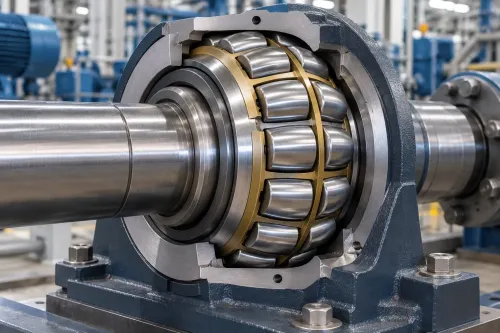
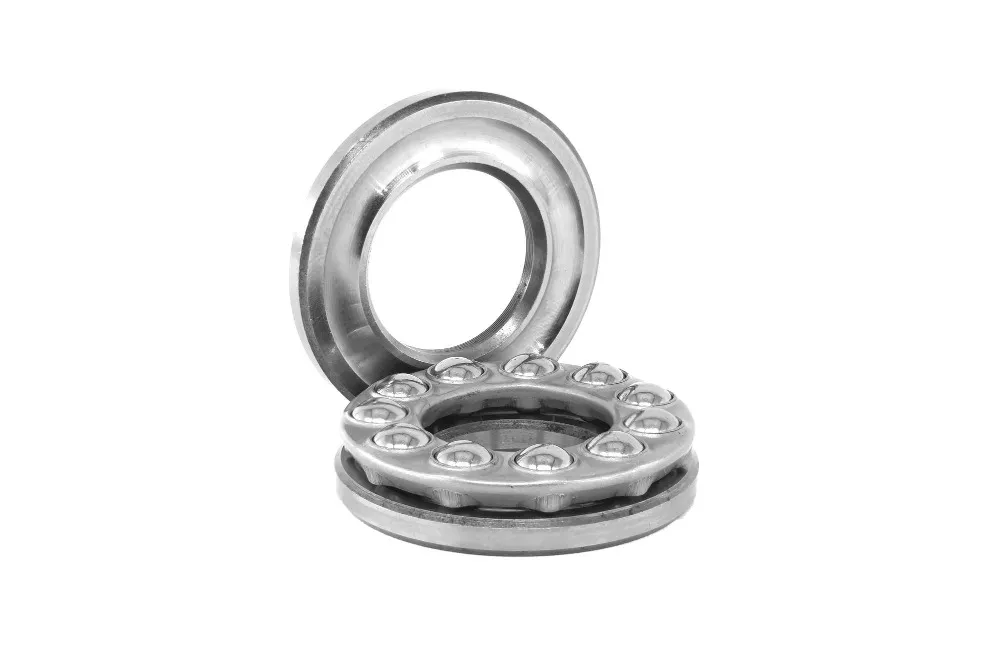
A thrust bearing is designed primarily to support axial force. Depending on the application, different rolling-element designs may be used.
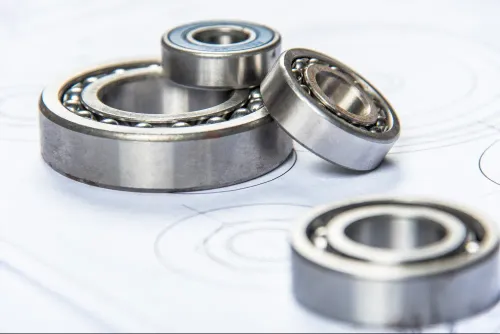
Common categories include thrust ball bearings and thrust roller bearings. Each design has different capabilities relating to speed, load, rigidity, and alignment.
Thrust ball bearings are typically associated with axial loads at suitable operating speeds, while roller-based thrust designs can be considered for heavier load requirements depending on the specific application.
Single-Direction and Double-Direction Requirements
Some machinery produces axial load in only one direction. Other equipment may experience thrust reversal.
The bearing arrangement must correspond to this loading pattern.
Using a single-direction bearing where the machine requires control in both directions can leave the assembly inadequately supported.
This is why engineering teams should establish load direction before selecting a replacement.
Five Questions to Ask Before Ordering
What is the axial load?
Determine both normal and maximum expected thrust.
What is the rotational speed?
A bearing appropriate for a slow, heavily loaded assembly may not be appropriate for a high-speed application.
Does the machine also generate radial load?
Some thrust bearings are intended primarily for axial loading and may require another bearing to handle radial forces.
What are the alignment conditions?
Misalignment can significantly affect bearing performance. Certain bearing arrangements provide greater accommodation than others.
How will the bearing be lubricated?
Lubrication selection should reflect load, speed, temperature, and operating environment.
Common Procurement Mistakes
A frequent mistake is selecting by dimensions alone. Another is assuming that every thrust bearing can tolerate the same combination of radial and axial loading.
Buyers should also avoid replacing a bearing with a different internal design simply because it fits the available shaft and housing space.
The complete machine arrangement needs to be considered.
Consider the Adjacent Components
Bearing reliability depends on more than the rolling element.
Shaft shoulders, washers, housings, fits, surface condition, lubrication, and assembly accuracy all influence performance.
If a failed thrust bearing is replaced while damaged mating surfaces remain in service, the new component may also experience premature wear.
Procurement for Mumbai's Industrial Market
Manufacturing and engineering businesses in Mumbai, Maharashtra often operate equipment from multiple manufacturers and production eras. Maintenance teams may therefore encounter both standard and less frequently used bearing arrangements.
M/S Gautam Bearing & Tools works with industrial bearing and engineering product requirements across varied applications. Sharing the complete bearing reference, equipment type, load direction, and operating speed can help establish the correct requirement before procurement.
Thrust bearing selection should ultimately answer one central question: how does the machine manage axial force? Once that is understood, buyers can evaluate bearing type, direction capability, speed, load capacity, lubrication, and installation conditions with much greater confidence.
Keywords