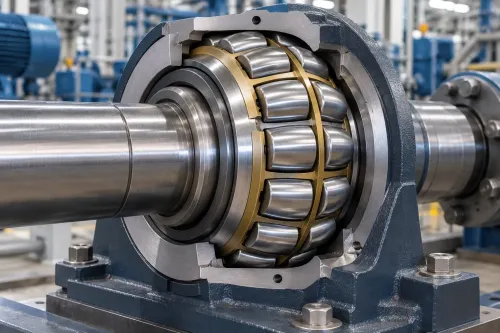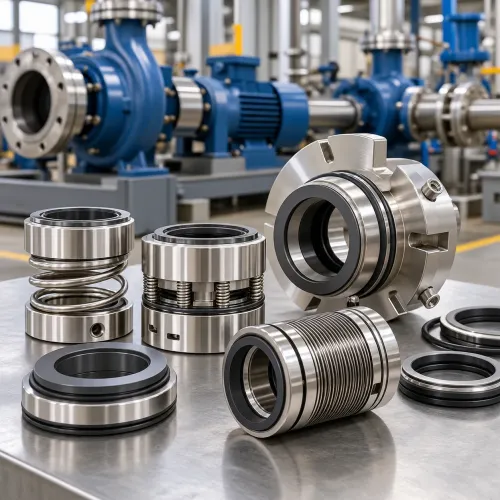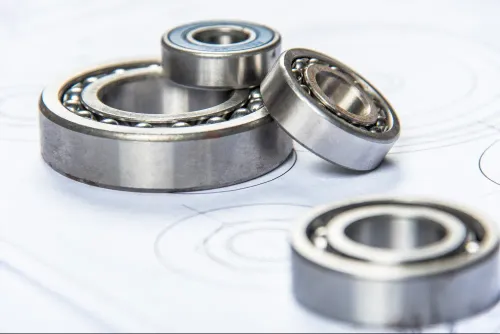
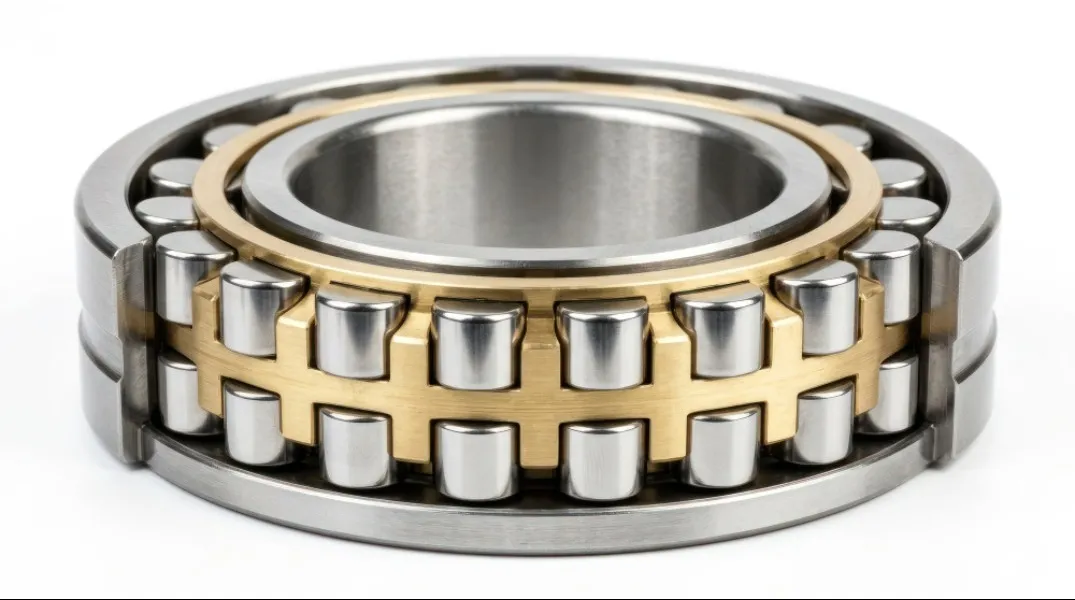
Spherical roller bearings are commonly associated with demanding machinery because they combine high load-carrying capability with the ability to accommodate certain alignment variations. That does not make selection automatic. Different series, internal designs, clearances, cages, and lubrication requirements can produce very different operating results.
When evaluating a Spherical Roller Bearing Distributor, procurement teams can use a structured checklist to reduce specification errors.
1. Confirm the Exact Bearing Designation
Begin with the complete designation from the existing bearing, machine manual, or engineering drawing.
Do not rely exclusively on bore diameter. Bearings with identical bores may differ substantially in outside diameter, width, load rating, internal clearance, or design.
2. Understand the Actual Load
Spherical roller bearings can accommodate heavy radial loads and axial loads within their design limits. They are commonly found in demanding equipment such as conveyors, crushers, industrial fans, heavy gearboxes, material-processing machinery, and other large rotating systems.
Determine:
- Normal operating load
- Peak load
- Shock loading
- Axial load
- Speed
- Duty cycle
This information helps establish whether the selected bearing is appropriate for the machine.
3. Check Internal Clearance
Clearance specifications should not be changed casually.
Mounting method, shaft fit, temperature difference between rings, and operating conditions influence the effective clearance once the bearing is installed.
For certain applications, increased-clearance bearings may be specified. Substituting a standard-clearance version without technical review can affect operation.
4. Review the Mounting Arrangement
Spherical roller bearings may use cylindrical or tapered bores depending on the design.
Tapered-bore bearings may be mounted using adapter sleeves, withdrawal sleeves, or directly on tapered shafts. Correct mounting procedures are essential because improper drive-up can create unsuitable internal clearance.
5. Evaluate Lubrication Conditions
Heavy-duty equipment can expose bearings to high loads, contamination, elevated temperatures, and continuous operation.
The lubrication plan should address:
- Grease or oil selection
- Viscosity requirements
- Relubrication interval
- Lubricant quantity
- Contamination control
- Operating temperature
Maintenance teams should also avoid mixing greases unless compatibility has been established.
6. Look Beyond the Bearing When Failures Repeat
Repeated bearing failure can indicate an unresolved machine problem.
Possible causes include misalignment beyond permissible limits, shaft wear, housing damage, poor sealing, contamination, inadequate lubrication, excessive loading, or incorrect installation.
Replacing the bearing repeatedly without examining these factors can increase maintenance costs without improving reliability.
7. Evaluate Technical Supply Capability
For buyers in Mumbai and other Maharashtra industrial centres, distributor selection should consider more than inventory.
A capable source should be able to work with complete product designations, understand application details, identify related mounting or lubrication requirements, and communicate clearly about specifications.
M/S Gautam Bearing & Tools serves industrial buyers requiring bearings and associated engineering components. Providing detailed application information can help streamline quotation and product identification.
Spherical roller bearings often operate in equipment where downtime is expensive. A disciplined purchasing checklist covering designation, load, clearance, mounting, lubrication, and failure history helps procurement managers make decisions based on machine requirements rather than availability alone.
Keywords